A first-of-its-kind trial that opened June 24 in Oakland could decide whether California can fine two pro-life nonprofits more than $20 million for telling women about a treatment that may reverse a chemical abortion.
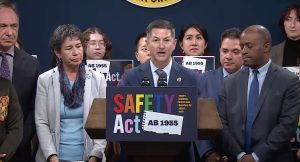
California Attorney General Rob Bonta is asking an Alameda County Superior Court judge to penalize Heartbeat International and its California affiliate, RealOptions Obria, for promoting Abortion Pill Reversal. The protocol uses supplemental progesterone and is offered to women who regret taking the first drug in a two-drug chemical abortion. The state is seeking $19.86 million against Heartbeat International and $640,000 against RealOptions. It is also seeking a permanent injunction that would bar the groups from speaking about the protocol.
Bonta filed the lawsuit in September 2023, accusing the organizations of false and misleading advertising for telling women that a chemical abortion may be reversed after the first pill. The state argues that Abortion Pill Reversal lacks sufficient scientific support and cannot be presented as a safe and effective option. The protocol’s safety and efficacy remain disputed among medical groups.
The lawsuit does not claim the treatment is illegal. The progesterone protocol remains legal, and the groups provide their services for free. Instead, the state treats each woman who contacted the organizations for information as a separate violation subject to fines of up to $5,000.
Heartbeat International, represented by the Thomas More Society, argues the state is punishing protected speech and trying to deny women information they actively seek. According to the defense, Bonta’s office has not produced a single complaint from a woman who received the treatment, and there is no evidence any patient was harmed.
“This is the first case of its kind to reach trial, and the implications extend far beyond Heartbeat International,” said Danielle White, general counsel for Heartbeat International. “A ruling in California’s favor would hand attorneys general across the country a roadmap to penalize any nonprofit organization that provides women with information the state disagrees with.”
What Abortion Pill Reversal Is
A chemical abortion uses two drugs. The first, mifepristone, blocks progesterone, a hormone the body needs to sustain pregnancy. The second, misoprostol, is taken later to induce contractions and expel the unborn child.
Abortion Pill Reversal supplies progesterone after a woman takes mifepristone but before she takes misoprostol. Because mifepristone works by blocking progesterone receptors, the protocol aims to counteract that effect for a woman who changes her mind.
Heartbeat International runs the Abortion Pill Rescue Network, a 24/7 helpline connecting women to a network of more than 1,300 providers, clinics and hospitals. The organization says the protocol has helped save more than 8,000 lives, and its hotline reports hundreds of calls each month from women who regret beginning a chemical abortion.
A Growing Battle Over Free Speech
The California trial is part of a wider national fight over whether states can restrict pro-life speech about Abortion Pill Reversal. Similar disputes have surfaced in New York, New Jersey and other states.
In December 2025, the U.S. Court of Appeals for the 2nd Circuit upheld the free speech rights of New York pregnancy centers to inform women about the protocol. In National Institute of Family and Life Advocates v. James, the court kept in place an injunction blocking New York Attorney General Letitia James from using business fraud laws against the centers, finding their speech was likely protected by the First Amendment. The parties and claims differ from the California case, but the ruling signals how courts are weighing state efforts to silence pro-life communication.
For pro-life advocates, the California case marks a dangerous escalation. A ruling for the state could give officials nationwide a template for crushing charitable ministries with ruinous fines for sharing information the government dislikes.
“California is not protecting women. It is silencing them,” said Greg Burt, Vice President of the California Family Council. “The state wants to fine charities into bankruptcy for telling a frightened woman that she still has a choice. That is not consumer protection. That is censorship, and every Californian who values free speech should be alarmed.”
Why This Matters
The trial raises two plain questions. Do women have the right to hear about every option after beginning a chemical abortion? And can the government punish charities for offering that information?
Pregnancy resource centers exist so women know all their options. No matter where someone stands on abortion, the government should not be allowed to silence one side of a public debate and call it fraud.
California Family Council will continue monitoring the trial and standing with the pregnancy centers, medical professionals and women caught in the middle. Every woman deserves accurate information, compassionate support and the freedom to make a fully informed decision without government censorship.
As this historic case unfolds, its outcome may determine not only the future of Abortion Pill Reversal but whether California can wield the power of the state to punish pro-life speech itself.