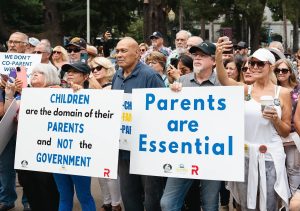
In California, the battle for truth, conscience, and human flourishing is once again at the forefront. Senator Scott Wiener’s newly introduced SB 934 represents a sweeping and deeply troubling escalation in the state’s ongoing campaign against what has historically been known as “counseling freedom.”
At its core, SB 934 is not about protecting vulnerable individuals; it is about silencing certain viewpoints, punishing dissent, and denying Californians the right to pursue counseling aligned with their deeply held beliefs, values, and faith.
What SB 934 Would Do
SB 934 would make it far easier to sue a licensed mental health provider years, even decades, after counseling occurred, based on a later claim of “psychological injury or illness” tied to sexual orientation or gender identity change efforts. For minors, lawsuits could be filed up to 22 years after turning 18. For adults, the window extends 10 years from the last session, plus an additional five-year “discovery” period from when a person claims to have realized the counseling caused harm.
At the same time, SB 934 defines prohibited counseling very broadly. It applies to any effort by a licensed provider to guide a patient toward a “predetermined sexual orientation or gender identity outcome.” That includes helping clients reduce same-sex attraction, pursue opposite-sex relationships, or live consistently with their biological sex. In effect, the bill targets not coercion, but voluntary, client-directed counseling that aligns with faith, marriage, or personal values.
The bill’s definition of “harm” is equally expansive and subjective. It includes a wide range of experiences such as depression, shame, stress, guilt, hopelessness, social withdrawal, suicidality, substance abuse, anger, loss of faith, family alienation, intimacy problems, sexual dysfunction, and a sense of wasted time. These are serious struggles, but they are also common human experiences with many potential causes, often arising years after counseling.
Crucially, SB 934 does not require a formal diagnosis or clear proof of causation. The bill states that a person need not know the full extent of harm, or even that the conduct was wrongful, to bring a claim. Once general evidence suggests such counseling could cause harm, a court may infer causation simply because the person participated in counseling and later experienced distress, unless the counselor can prove otherwise. In practice, this shifts the burden onto providers and opens the door to lawsuits based largely on subjective, retrospective interpretations of emotional pain.
A Pattern of Government Overreach
SB 934 is not an isolated proposal; it is part of a long-standing trajectory in California.
The California Family Council has been on the front lines of this fight for years. In particular, CFC played a leading role in opposing AB 2943, a 2018 bill that would have classified counseling services aimed at reducing same-sex attraction as “fraudulent business practices.”
That bill was so extreme that it sparked national outrage and was ultimately shelved. But its intent was clear: to treat certain moral and theological viewpoints as illegal to express in a professional or commercial setting.
Subsequent efforts like AB 1779 and AB 2119 continued this trend, targeting speech, conscience, and parental rights.
Now, SB 934 revives and expands those same ideas, this time with sharper legal teeth.
As CFC has consistently argued, these laws are not about banning coercion or abuse (which are already illegal). They are about banning a particular viewpoint about sexuality and identity.
The Coming Constitutional Collision
SB 934 appears to be strategically timed.
Across the country, legal challenges to counseling bans are gaining momentum, most notably in the case of Chiles v. Salazar, currently under review by the U.S. Supreme Court.
In that case, argued before the U.S. Supreme Court last fall, several justices expressed skepticism toward Colorado’s law restricting sexual orientation and gender identity change counseling conversations for minors. California has the same exact law, SB 1172, passed in 2012. The Court pressed whether the Colorado law regulates conduct or instead targets speech based on viewpoint. Justices specifically questioned how the state can permit counseling that affirms a gender identity while banning counseling that helps a minor accept their biological sex.
Justice Samuel Alito, for example, described the law as “look[ing] like blatant viewpoint discrimination,” noting that it “dictates opposite results…based on the viewpoint expressed.”
Justice Elena Kagan raised a similar concern, observing that if one counselor is allowed to affirm a child’s identity while another is prohibited from helping that same child change direction, “that seems like viewpoint discrimination.”
The broader concern was clear: if the government can prohibit one set of ideas in the counseling room, what prevents it from banning others? This line of questioning suggests growing unease with laws that single out disfavored viewpoints, especially those rooted in moral or religious beliefs.
If the Court rules that such bans are unconstitutional viewpoint discrimination, laws like California’s SB 1172 would be unconstitutional, and bills like SB 934 could face serious legal challenges.
Senator Wiener’s Claim: “Protection” or Gaslighting?
In promoting SB 934, Senator Wiener has framed the bill as necessary to protect individuals from harm, even going so far as to equate counseling aimed at changing sexual behavior or identity with “psychological torture.”
This claim is not only inflammatory, it is also demonstrably false.
The International Foundation for Therapeutic and Counselling Choice (IFTCC), in a detailed letter opposing the bill, states plainly:
“SB 934 denies people in traditional relationships access to safe, consensual counseling conversations to help them preserve their marriage and family, live freely according to their preferences, values, conscience and beliefs…”
The IFTCC goes on to present extensive research showing:
- Sexual attraction and gender identity are not simply biologically determined.
- Same-sex attraction and discordant gender identity often change over time.
- Consensual counseling can help some individuals decrease same-sex attraction and increase opposite-sex attraction, according to gold standard research.
- There is no high-quality evidence demonstrating that such counseling causes harm in the short term or long term.
In fact, the letter highlights that some of the strongest longitudinal research shows improvements in mental health and well-being. The only nationally representative study of LGB identified people who did not change showed they still benefited, reducing suicidality, potentially dramatically.
This stands in stark contrast to the narrative advanced by SB 934’s proponents.
The Silenced Stories
One of the most troubling aspects of this debate is whose voices are allowed to be heard.
Organizations like the “Changed Movement” feature countless testimonies of individuals who have experienced transformation, whether in behavior, identity, or personal peace, and who testify to greater happiness after leaving LGBTQ identities.
These are not fringe voices. They are real people, men and women, who are often ignored or dismissed because their stories contradict the dominant cultural narrative.
SB 934 would not just silence counselors. It would effectively erase the experiences of those who have found freedom and fulfillment through faith-aligned living.
A Biblical and Human Rights Perspective
From a biblical standpoint, this issue cuts to the heart of human identity and freedom.
Scripture teaches that every person is created in the image of God (Genesis 1:27), and that true freedom is found not in self-definition, but in alignment with God’s design.
The Apostle Paul writes:
“For you were called to freedom, brothers. Only do not use your freedom as an opportunity for the flesh, but through love serve one another.” (Galatians 5:13, ESV)
True compassion does not mean affirming every desire; it means walking with people in truth, offering hope, and respecting their agency to pursue the life they believe is right.
SB 934, by contrast, denies that agency.
It tells individuals:
- You may only receive licensed counseling that affirms one predetermined outcome.
- You may not seek professional help to live according to your faith or convictions.
- And those who assist you may be punished.
This is not compassion. It is coercion.
If SB 934 passes, the precedent will be clear:
The state, not the individual, not the family, not the church, will decide what kind of transformational help can be offered by professional mental health providers.
A Call to Action
California Family Council has long stood for life, family, and liberty, and SB 934 threatens all three.
We urge legislators to reject this bill and instead uphold:
- The dignity of individuals to pursue their own goals and values.
- The freedom of speech and conscience is protected by the First Amendment.
- The vital role of counselors in walking alongside those in need.
And we urge Christians to pray, speak, and engage.
Because the fight for counseling freedom is ultimately a fight for the freedom to proclaim what Jesus Himself declared:
“You will know the truth, and the truth will set you free.” (John 8:32, ESV)