As California continues to grapple with an escalating mental health crisis, particularly among veterans and first responders, state lawmakers are again trying to bypass federal law to provide psilocybin, magic mushrooms, as a solution. While the intent behind SB 751—the Veterans and First Responders Research Pilot Program—may be well-intentioned, the policy path it paves is deeply troubling.
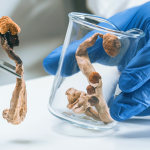
Rather than working within federal approved medical research regulations, SB 751 proposes a state-led pilot program to study the use of psilocybin, a powerful hallucinogenic substance still classified as a Schedule I drug by the federal government. That classification means it is currently considered to have no accepted medical use and a high potential for abuse. Yet SB 751 refuses to wait for the blessing of the federal government, and proposes to start its own clinical trials while promising to adhere to the US Food and Drug Administration (FDA) draft research standards.
Sidestepping Science and Federal Safeguards
While psilocybin has received a “breakthrough therapy” designation from the FDA, this status merely fast-tracks further study—it does not imply safety or efficacy. In fact, less than 15% of substances that receive this designation ever make it through full FDA approval.
Bringing a new drug to market in the United States is a complex and highly regulated process overseen by the FDA. SB 751 proposes moving forward on its own with the California Health and Human Services Agency overseeing the research and development of psilocybin services for veterans and first responders in up to five counties. This effectively bypasses the structured, federal peer-reviewed process designed to protect vulnerable patients from unintended consequences. Launching a state-run pilot program risks exposing veterans and first responders—already bearing the weight of trauma—to an unproven treatment with documented risks of psychosis, anxiety, and disorientation.
Although FDA-approved studies on the effectiveness of psychedelics are already underway, the FDA has not approved psilocybin for any condition. Research is ongoing, and federal guidance remains in draft form—a sign of how unsettled this field truly is.
A Broader Agenda: From “Pilot Program” to Full Legalization
Though SB 751 presents itself as a targeted research initiative, it establishes a framework for a much broader psychedelic infrastructure: service centers, state-sponsored training, and unlimited facility licenses. Notably, this mirrors the early strategy used to legalize recreational marijuana—a slow, steady build-up of infrastructure leading to normalization.
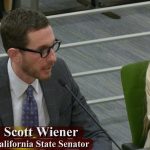
This bill is not the first California has seen to legalize psychedelics for therapeutic reasons. Senator Scott Wiener, who championed previous bills to decriminalize psychedelics, has openly stated his intent: “We are not waiting for the federal government to bless it,” he told fellow lawmakers during a past committee hearing. He has also expressed his desire to decriminalize all drug use, not just psilocybin.
In 2021, Wiener introduced legislation to legalize LSD, MDMA, and other hallucinogens, part of his stated goal to end what he calls “the war on drugs.” When Governor Gavin Newsom vetoed one such bill (SB 58), his veto message encouraged future legislation—provided California creates its own guidelines for therapeutic use. SB 751 is a direct response to that invitation.
This isn’t just about psilocybin. It’s about establishing a new norm: allowing California to approve and promote substances that federal authorities still classify as dangerous. If this effort succeeds, similar bills are likely to follow—for other psychedelics and perhaps eventually for drugs that have caused serious harm in communities nationwide.
Genuine Concern for Our Veterans and First Responders
California Family Council honors the sacrifice and service of our veterans and first responders. Their pain is real, and their need for support is urgent. But experimental psychedelic therapy harms more people than it helps. Instead, evidence-based treatments and pastoral counseling should be considered.
Using emotionally compelling narratives to promote unapproved treatments sets a troubling precedent. We must be careful not to exploit the pain of our heroes to justify hasty legislation—no matter how well-intentioned.
Fiscal, Legal, and Ethical Hazards
SB 751 also creates a continuously appropriated “special fund” to support this program, meaning public tax dollars can be used indefinitely—with minimal legislative oversight. This raises serious fiscal concerns, especially when those funds could support proven mental health services instead.
In addition, because psilocybin remains illegal at the federal level, the bill places both providers and participants in a legal gray zone. This creates ethical dilemmas for universities, therapists, and government agencies tasked with overseeing treatment protocols that do not align with national standards.
We urge lawmakers to consider the long-term implications of this bill—not just for today’s pilot programs, but for future policies that may follow. The health and safety of Californians, especially those who have already given so much in service to their communities, should not be subject to experimental treatment in a politicized environment.
Take Action
SB 751 is expected to be heard in the Senate Health Committee on April 23rd. CFC encourages all concerned citizens to:
-
Contact committee members and urge a “No” vote on SB 751.
-
Share this article with pastors, medical professionals, and veterans’ advocates.
-
Advocate for evidence-based mental health care that honors the dignity of every life.
Real healing requires wisdom, patience, and discernment—not psychedelic shortcuts. Let’s ensure California remains a state that protects life and promotes liberty, guided by truth and compassion.