California Family Council (CFC) is sounding the alarm on a sweeping abortion bill in California, AB 260, which is headed to the Senate Appropriations Committee after passing the Assembly and clearing two Senate hearings. The bill, authored by Assemblymember Cecilia Aguiar-Curry (D-Napa), is being hailed by pro-abortion advocates as a shield against out-of-state legal interference, but CFC warns it comes at the expense of women’s health and safety, and the lives of unborn babies.
The legislation would allow pharmacies to dispense the abortion pill mifepristone without listing the name of the prescribing doctor or pharmacy. It also prohibits California licensing boards and agencies from disciplining providers or facilities that prescribe, manufacture, or distribute abortion drugs, even if they have been penalized under laws in other states.
CFC and other pro-life advocates are raising serious concerns in light of new medical data on the safety of mifepristone, one of the two drugs used in chemical abortions.
“AB 260 isn’t about protecting women; it’s about protecting an abortion agenda while ignoring the risks to the mother,” said Greg Burt, Vice President of California Family Council. “More and more evidence is emerging showing chemical abortions, while popular, are injuring women, but politicians want to hide or turn a blind eye to the evidence.”
Real-World Data Challenges “Safe and Effective” Narrative
A groundbreaking study from the Ethics and Public Policy Center (EPPC), published in April, analyzed more than 865,000 mifepristone abortions from 2017 to 2023 using an all-payer insurance claims database. The report found that 10.9% of women experienced serious adverse events, such as hemorrhage, sepsis, or infection, within 45 days of taking the abortion pill. This rate is more than 22 times higher than figures often cited by the FDA based on smaller clinical trials.
Adding to the concern, a Charlotte Lozier Institute study revealed that more than 83% of emergency room visits following chemical abortions are misclassified as miscarriages in medical records. Even more alarming, these miscoded cases were 50% more likely to involve high-acuity or life-threatening complications, making it harder for physicians to deliver timely, appropriate care.
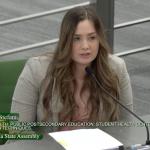
Burt presented this information to the legislators in a hearing before the Senate Committee on Business, Professions and Economic Development this morning and asked them to consider why this was happening. “Because safeguards have been quietly stripped away at the federal level, no in-person exams, no confirmation of gestational age, no follow-up care mandated,” he explained. Sadly, legislators ignored the information and approved the bill 6 to 1 without debate.
Critics Say AB 260 Prioritizes Politics Over Patients
Supporters of AB 260, including Planned Parenthood Affiliates of California and the Attorney General Rob Bonta’s office, argue the bill is necessary to protect providers in a post-Dobbs landscape, where some states have begun criminalizing abortion or punishing those who provide the service across state lines.
However, opponents say the bill does nothing to address the rising complications tied to the abortion pill and may make it harder for women to receive help when things go wrong.
“This bill empowers pharmacies to dispense mifepristone without essential tracking information,” Burt testified. “Without proper oversight, women endure trauma alone, hemorrhaging, infections, and incomplete abortions, often far from emergency help.”
Growing National Scrutiny
In a sign of escalating national concern, US Health and Human Services Secretary Robert F. Kennedy Jr. announced in May that he is ordering a full federal review of mifepristone’s safety protocols in light of the EPPC study.
“When abortion-related emergencies are disguised as miscarriages, it impairs a doctor’s ability to make informed, evidence-based decisions. That isn’t just a documentation error—it’s a public health crisis,” said Dr. James Studnicki, vice president and director of data analytics at the Charlotte Lozier Institute.
Call to Action
Now AB 260 moves to the Senate Appropriations Committee. CFC encourages everyone to call members of this committee, urging a no vote, as well as calling their own state senators in case the bill makes it to the floor.
Watch the entire AB 260 hearing before the Senate Business, Professions and Economic Development Committee below.